Free Shipping on Orders Over $50


Chocolate Vine Fruit Seeds
Original price was: $5.61.$2.90Current price is: $2.90.
88 in stock
Key Features:
-
Fragrant Climber: Produces clusters of purple, vanilla-chocolate-scented flowers in spring.
-
Edible Fruits: Unique sausage-shaped pods with sweet, jelly-like pulp.
-
Fast-Growing & Decorative: Ideal for covering fences, trellises, or pergolas.
-
Non-GMO & Heirloom Variety: Naturally sourced seeds suitable for organic gardening.
-
Low Maintenance: Tolerates poor soil and partial shade once established.
-
Cold Hardy & Adaptable: Thrives in a wide range of climates and soil types.
Specifications:
-
Scientific Name: Akebia quinata
-
Common Name (US): Chocolate Vine
-
Plant Type: Deciduous to semi-evergreen Climbing Vine
-
Growth Height: 1530 feet (4.59 meters)
-
USDA Hardiness Zones: 49
-
Sun Exposure: Full Sun to Partial Shade
-
Soil Type: Well-drained loamy or sandy soil
-
Soil pH: 6.07.5
-
Water Requirements: Moderate; prefers consistent moisture
-
Temperature for Germination: 6575F (1824C)
-
Germination Time: 3090 days (requires stratification)
-
Planting Depth: 1/8 inch (0.3 cm)
-
Spacing: 610 feet apart
-
Bloom Season: Spring
-
Fruit Season: Late Summer to Fall
-
Seed Type: Non-GMO, Heirloom Variety
-
Pollination: Cross-pollination recommended for fruit production
-
Lifespan: Long-lived perennial vine
-
Uses: Ornamental vine, edible fruit production, landscape cover
Planting Guide:
-
Seed Stratification: Chill seeds in moist sand at 40F (4C) for 60 days.
-
Sowing: After stratification, sow seeds 1/8 inch deep in seed-starting mix.
-
Light & Temperature: Maintain warm temperature (6575F) with partial sunlight.
-
Watering: Keep soil evenly moist but not soggy.
-
Transplanting: Move seedlings outdoors after frost danger passes.
-
Support: Provide trellis or fence for climbing growth.
-
Pruning: Trim regularly to maintain shape and encourage flowering.
-
Harvesting: Fruits ripen in late summer and naturally split when ready to eat.
Related products
-
SALE 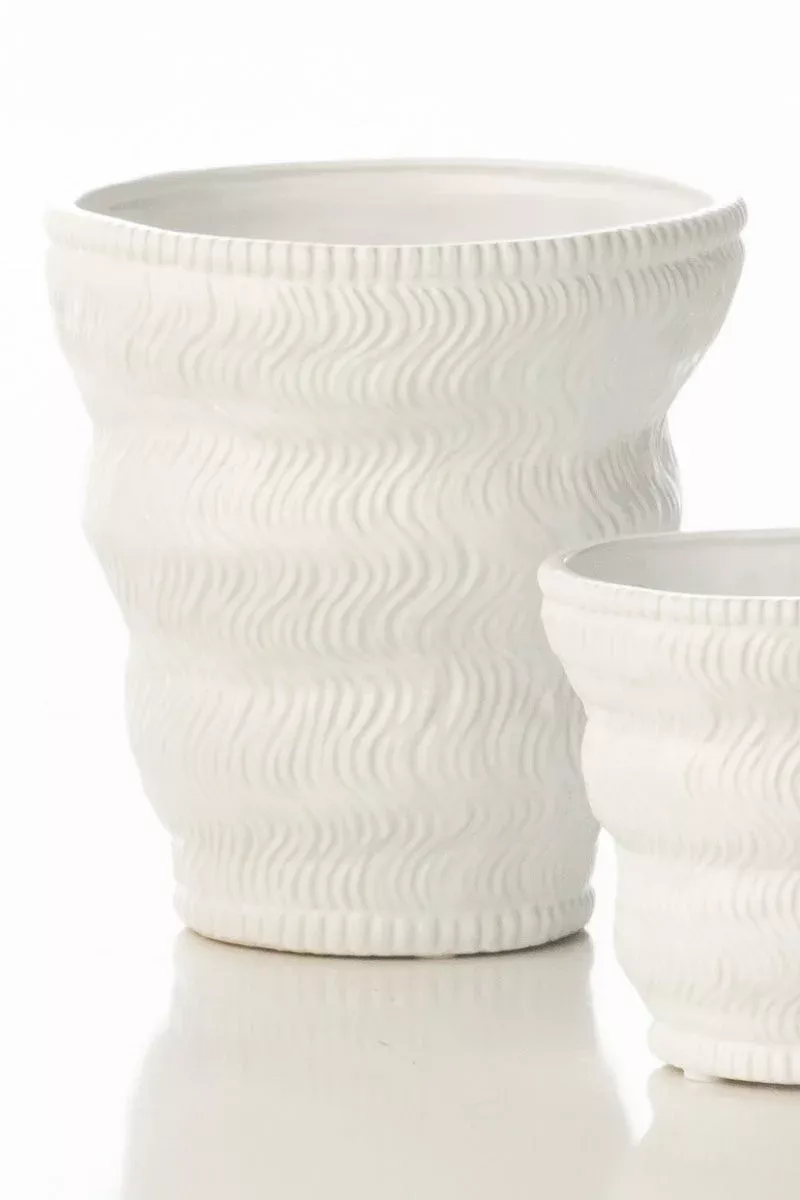
PLANTER NIFTY WHITE 6.75″ LG
Original price was: $6.00.$3.21Current price is: $3.21. -
SALE 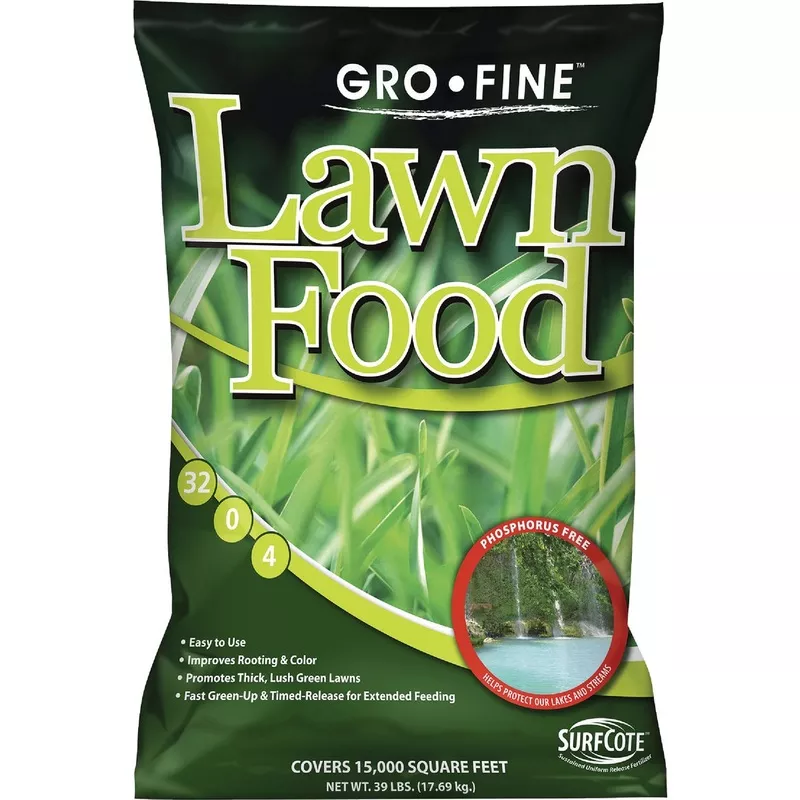
Gro-Fine 39 Lb. 15,000 Sq. Ft. 32-0-4 Phosphorus Free Lawn Fertilizer
Original price was: $21.71.$13.92Current price is: $13.92. -
SALE 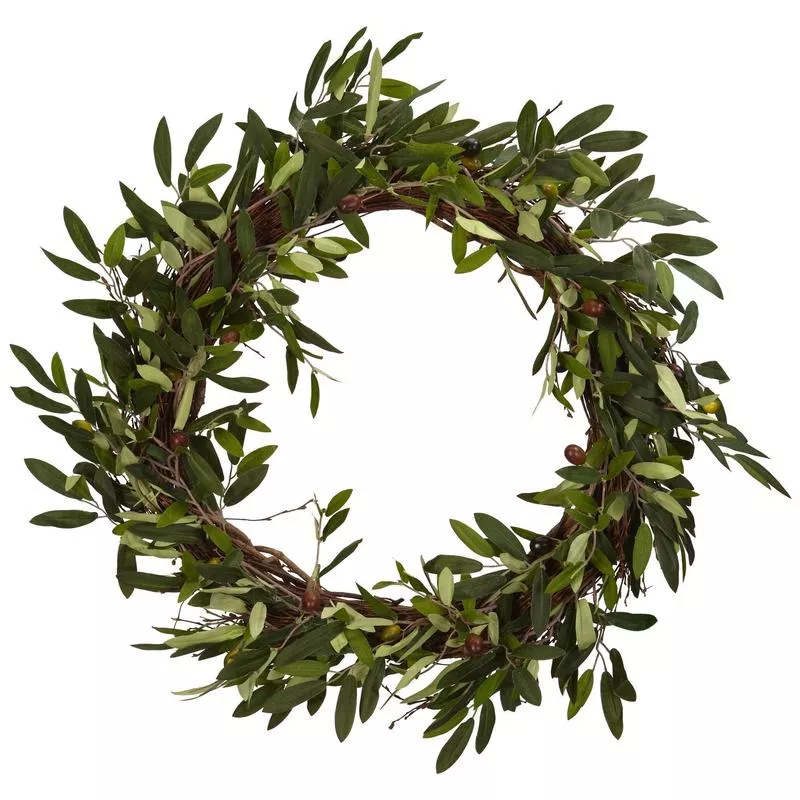
20″ Olive Wreath
Original price was: $31.20.$21.21Current price is: $21.21. -
SALE 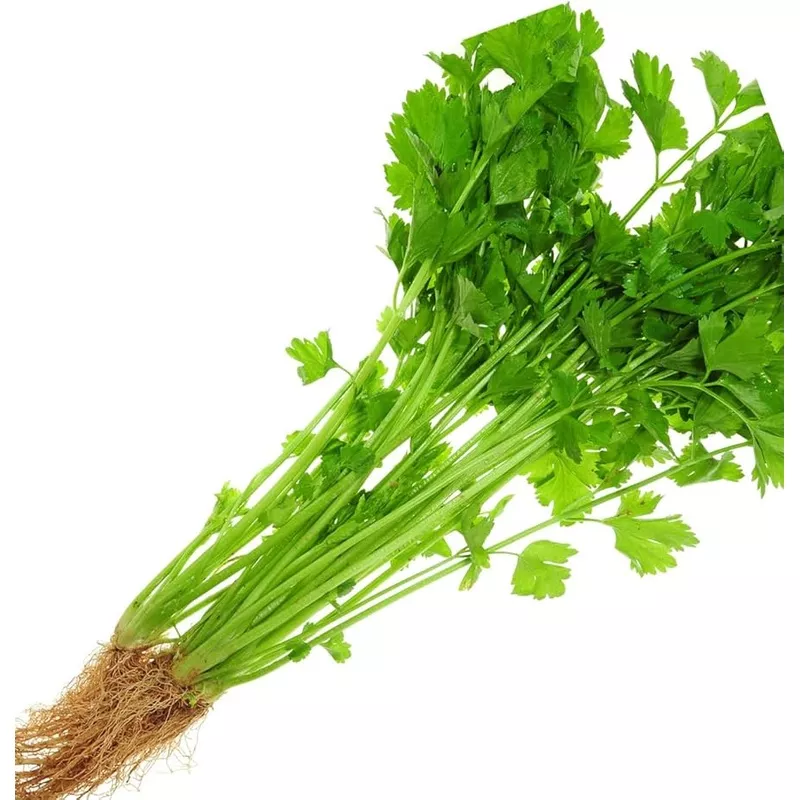
Chinese Celery Apium graveolens Seeds for Planting in Herb Garden and Vegetable Patch for Planting, Premium Seeds | Heir
Original price was: $6.37.$4.23Current price is: $4.23. -
SALE 
Kawasaki Motor Corp. USA Genuine Part 920702115 SPARK PLUG BPMR8Y
Original price was: $7.48.$3.83Current price is: $3.83. -
SALE 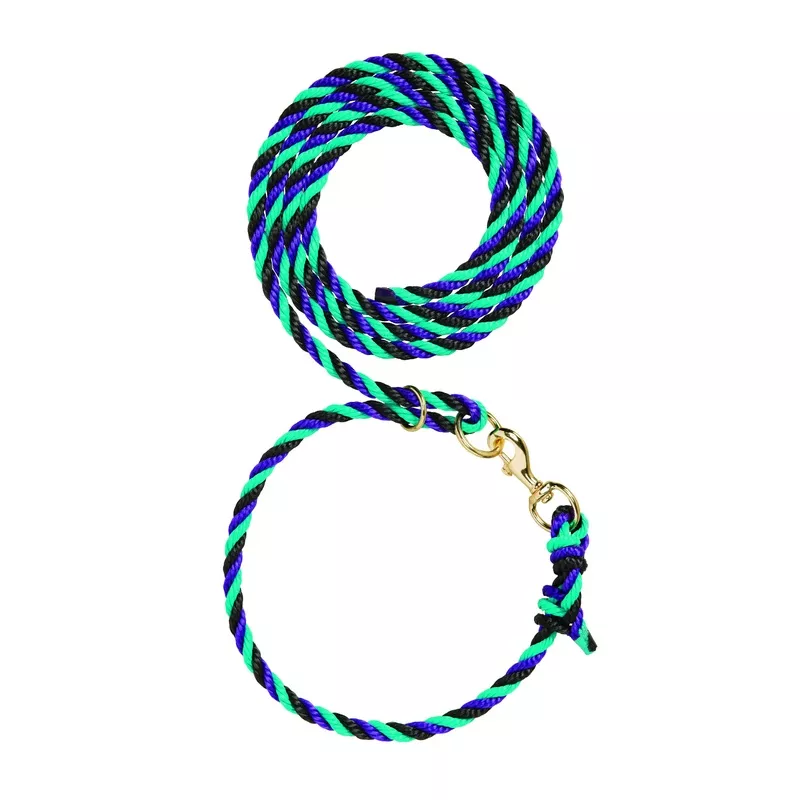
Weaver Livestock Adjustable Poly Neck Rope
Original price was: $4.11.$3.19Current price is: $3.19. -
SALE 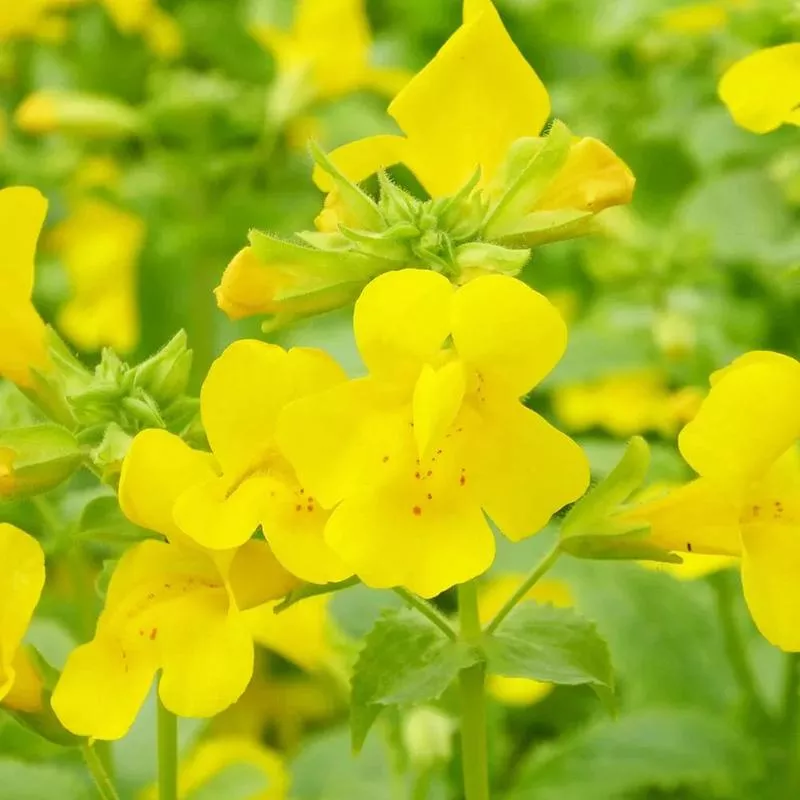
Mimulus Guttatus Aquatic Pond Plant – Common Monkey Flower
Original price was: $11.51.$5.91Current price is: $5.91. -
SALE 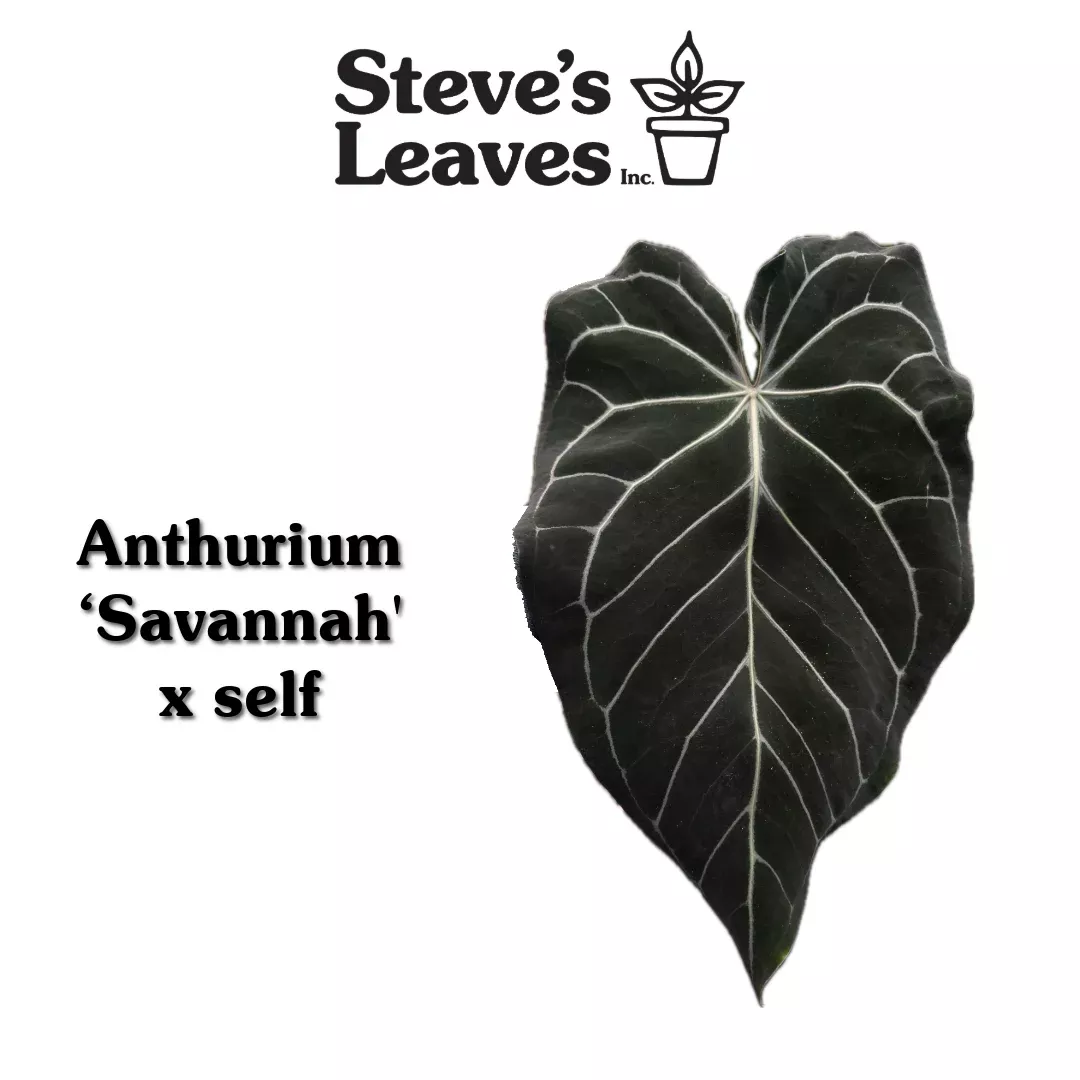
Anthurium ‘Savannah’ x self – Seed Pack
Original price was: $8.40.$4.32Current price is: $4.32.